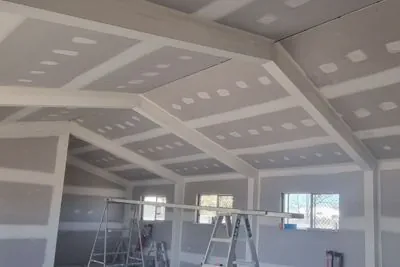
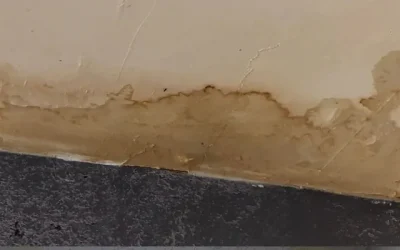
A Sagging Ceiling Is Not Something to Ignore
A ceiling that has started to bow, bulge or pull away from the surface above it is a safety issue first and a cosmetic problem second. Plasterboard sheets are heavy, and a section that lets go can fall without warning.
Before you poke at it, stand underneath it or start investigating the roof space, take a moment to assess the situation properly. If the ceiling looks like it could drop, keep people out of the room until a plasterer has had a look.
Common Causes of a Sagging Ceiling
Failed Adhesive
Older ceilings were often fixed using a combination of adhesive dabs and screws or nails. Over time, that adhesive can dry out, shrink or simply lose its bond. When it goes, the sheet has less holding it up than it should, and sagging follows.
This is one of the more common causes in homes built before the 1990s, particularly in Queensland where temperature swings put extra stress on building materials.
Loose or Corroded Fixings
Plasterboard nails can work loose over time, especially in older homes where the timber framing has dried out and shrunk. Screws can also corrode in humid environments, reducing their grip on the joist above.
Once enough fixings fail across a sheet, the weight of the plasterboard starts to pull it down at the centre or along the edges.
Water Damage
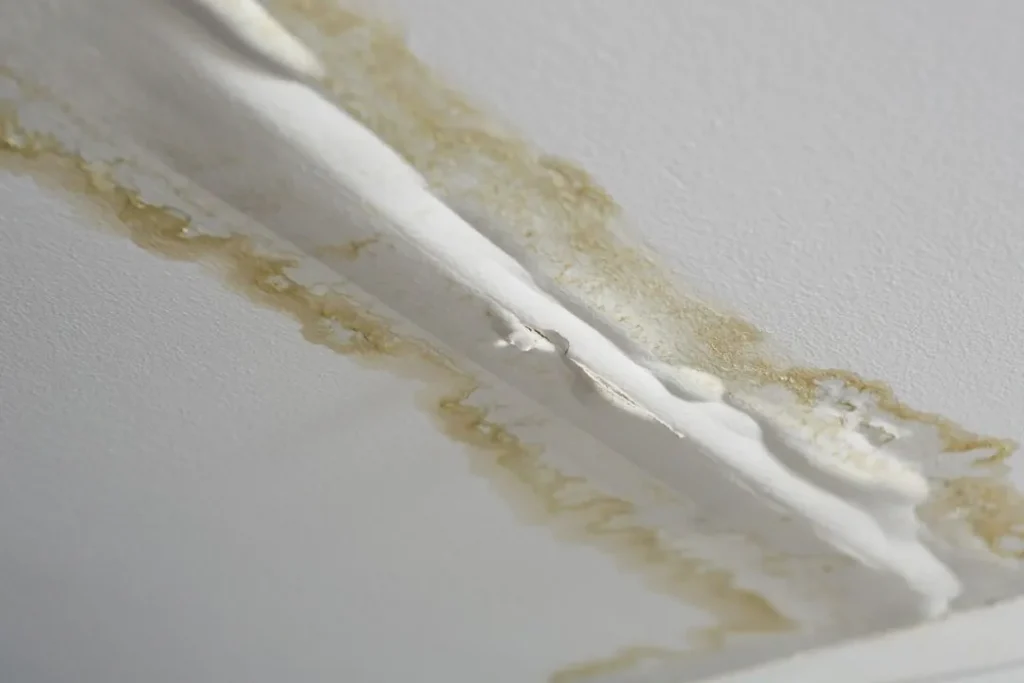
Water is one of the fastest ways to ruin a ceiling. A leaking roof, a burst pipe or a slow drip from an upstairs bathroom can saturate plasterboard and cause it to sag under its own weight.
Wet plasterboard loses structural integrity quickly. Even after it dries out, the sheet often remains warped or weakened. If you are dealing with a water-damaged ceiling, understanding what happens to plasterboard after it gets wet will help you make a more informed decision about repair versus replacement.
Building Movement
Homes shift and settle over the years. Timber framing expands and contracts with seasonal changes in temperature and humidity, which is particularly relevant in Townsville’s climate. That movement can gradually work fixings loose or cause sheets to separate from the framing.
In some cases, movement from nearby construction or soil subsidence can accelerate the problem significantly.
Why Simply Screwing the Sheet Back Up Often Fails
It seems like a straightforward fix: drive a few screws through the sagging section and pull it back into place. In practice, this rarely works well and can make things worse.
If the plasterboard has been wet, it may be too soft to hold a screw properly. If the sheet has already cracked or the paper face has torn, adding screws just creates more stress points. And if the underlying cause, whether that is a leak, failed adhesive or corroded fixings, has not been addressed, the sheet will sag again regardless of how many screws go in.
Screwing through a badly sagging sheet can also cause it to crack or split during the process, turning a manageable repair into a full replacement job.
Repair or Replacement: How to Decide
Not every sagging ceiling needs a full sheet replacement. The right approach depends on the extent of the damage, the condition of the plasterboard and what caused the problem in the first place.
A small area of sag with no water damage and intact plasterboard may be repairable by re-fixing the sheet to the joists and refinishing the surface. A sheet that has been saturated, cracked through or has lost its structural integrity needs to come down and be replaced.
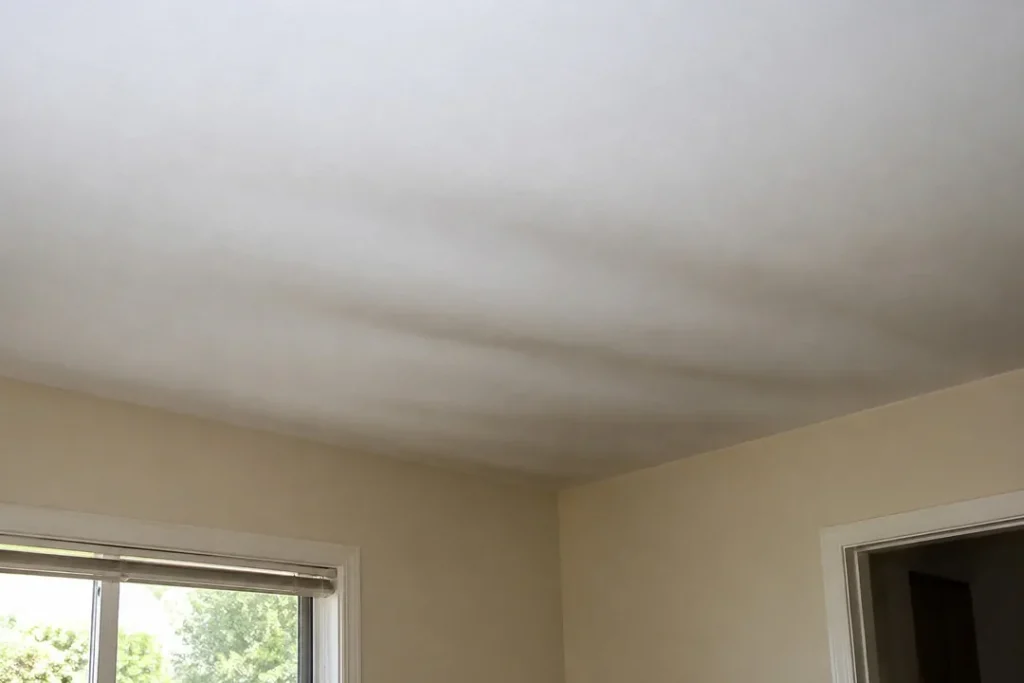
Partial replacement is also an option where only one or two sheets are affected. A plasterer can cut back to the nearest joists, remove the damaged section and install new plasterboard with proper fixings. For anyone considering new plasterboard installation as part of this process, understanding the plasterboard installation process gives useful context on how sheets should be correctly fixed and finished.
Check the Roof Space Carefully Before Anyone Goes Up There
If you need to investigate what is above a sagging ceiling, turn off the power at the switchboard first. Roof spaces often contain electrical wiring, and a water-damaged ceiling may mean water has reached cables or junction boxes. The risk of electric shock in a wet roof space is real, and electrical safety in roof spaces is not something to take lightly.
Also consider the age of your home. Ceilings in homes built before the mid-1980s may contain asbestos, particularly in textured or compressed sheet products. Do not cut, drill or remove any ceiling material until you know what it is made of. Asbestos safety requirements apply to any work that disturbs older ceiling materials, and testing before you start is the responsible approach.
What to Do If Your Ceiling Is Sagging
Keep the room clear if the sag looks significant or if there is visible cracking around the edges of the sheet. Do not attempt to push the ceiling back up by hand.
Call a plasterer to assess the damage in person. A proper inspection will identify the cause, confirm whether the sheet can be re-fixed or needs replacing, and check whether there is an active leak or other issue that needs to be resolved before any ceiling work begins.
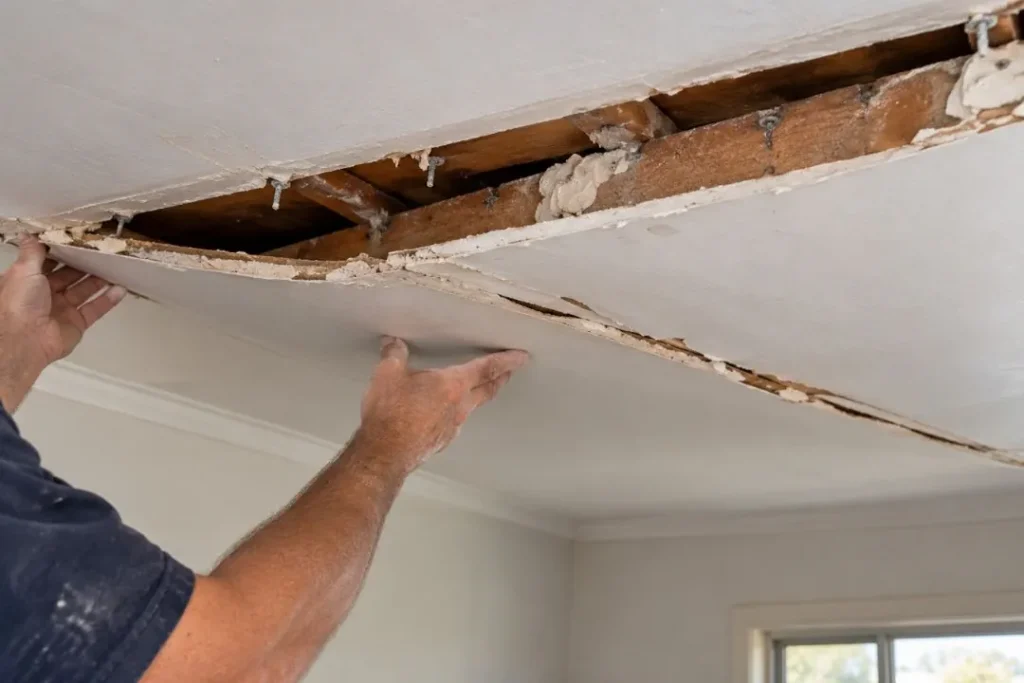
Homeowners across the wider Townsville region deal with ceiling issues regularly, particularly after heavy rain or in older homes where fixings have had decades to deteriorate. Getting a professional assessment early prevents a manageable problem from becoming a much larger one.
Get Your Ceiling Assessed and Fixed Properly
A sagging ceiling will not fix itself, and waiting usually means more damage and higher repair costs. For plastering Townsville homeowners can rely on, our team assesses the cause, not just the symptom, and recommends the most practical solution for your situation.
We handle everything from minor re-fixing jobs to full sheet replacement, with a clean finish that matches the surrounding ceiling. For professional sagging ceiling repairs in Townsville, call us on (07) 4800 0366 or get in touch online to arrange your free quote.